The Heart of Happiness: How Cardio Transforms Your Life


Cardio for Life: How Regular Heart Training Boosts Longevity and Happiness
We all know cardio is good for the heart—but its benefits go far beyond just pumping blood. Imagine feeling more energetic throughout your day, sleeping soundly through the night, handling stress with ease, and even thinking more clearly—all while lowering your risk of chronic diseases. That’s exactly what regular cardio can do.
Heart-focused exercise—whether it’s jogging, cycling, swimming, or even a brisk walk around the neighborhood—touches nearly every aspect of your life: your mood, your energy, your brain function, and your longevity. The best part? You don’t need a gym membership or fancy equipment—just a commitment to showing up for yourself consistently. Think of cardio as a long-term investment in yourself. Just like saving money builds security for the future, investing in your heart today pays dividends in vitality, happiness, and lifespan down the road.
More Than Just Physical Health
Of course, cardio strengthens your heart, improves circulation, and helps regulate blood pressure. But the benefits don’t stop there. Regular cardio reduces stress, helps manage anxiety, and even improves sleep quality. Studies show that people who engage in consistent heart-focused exercise experience lower cortisol levels and report feeling calmer and more centered throughout their day.
“Exercise isn’t just about looking good,” says Dr. Lena Torres, a cardiologist in New York. “It’s about creating a body and mind that can handle life’s challenges more easily—and live a longer, healthier life.”
Brain Boosting Benefits
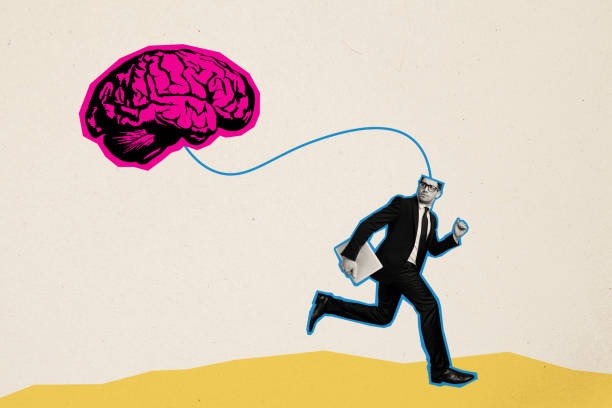
Cardio isn’t just a body workout—it’s a brain workout too. That afternoon slump? A 20-minute walk or jog can lift your energy and mental clarity. When you exercise, your body releases endorphins, natural chemicals that elevate your mood. Over time, consistent cardio also improves cognitive function, memory, and focus.
Regular heart training literally helps your brain stay sharp. In studies, adults who maintain cardio routines show better mental performance than their less active peers, highlighting how exercise supports both longevity and day-to-day thinking.
Real Stories, Real Transformation
Take Mark, a 42-year-old software engineer, who added 30 minutes of cardio five times a week. “I sleep better, I handle stress at work more calmly, and I have more energy for my kids,” he shares.
Or Maria, a retiree who started swimming laps daily. “I didn’t expect to feel this alive again. My blood pressure is the best it’s been in years, and I just feel happier overall,” she says.
These stories show that cardio isn’t just about fitness—it’s about building a life that feels good from the inside out.
Making Cardio Stick
The secret isn’t intensity—it’s consistency. You don’t need to run marathons or train like an athlete. Even moderate cardio, done regularly, can deliver remarkable benefits. The key is finding something you enjoy and making it a habit.
Here are a few ways to make cardio part of your life:
Short daily sessions: Even 20 minutes of brisk walking or cycling counts.
Mix it up: Try jogging one day, a dance class the next. Variety keeps it fun.
Buddy system: Exercise with friends to stay motivated.
Track your progress: Seeing improvements, even small ones, keeps you committed.
The Takeaway
Cardio isn’t just a workout—it’s a life investment. By committing to regular heart training, you’re boosting longevity, mental clarity, and emotional well-being. Your heart isn’t just beating—it’s thriving. And that’s a gift that pays off every single day.